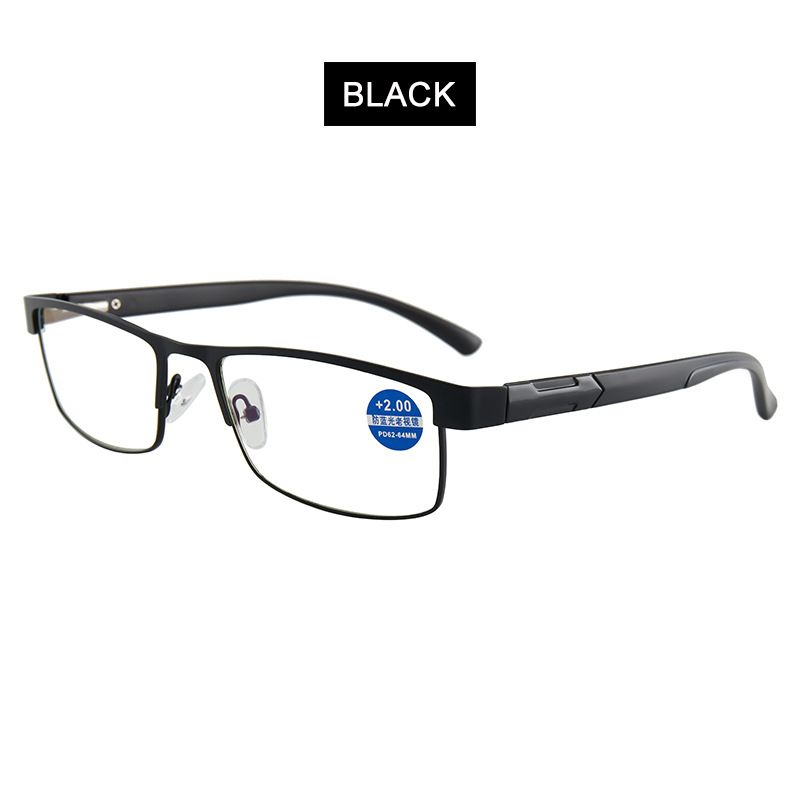
We've all been there. That moment when your eyes decide they need a little help. Suddenly, reading menus, sending texts, or filling out forms becomes a real headache. You realize it's time for reading glasses. But what should have been a simple purchase turned into a nightmare of wasted money and broken promises.
I ended up wasting close to $500 and three full weeks trying to find a decent pair that actually fit my specific prescription needs. I went from cheap drugstore racks to high-pressure optical shops. The result? Constant headaches, scratched lenses, and serious buyer's remorse. I only wish I had discovered Mozaer's Stainless Steel Reading Glasses sooner.
Don't repeat my expensive mistakes. I want to save you both time and money by sharing the three biggest regrets I had before finding Mozaer.
My first mistake was assuming all reading glasses were basically the same. I thought, "It's just glass and plastic—how bad can a $10 pair really be?" As it turns out, pretty bad. The cycle of disappointment was both painful and costly.
I started buying three pairs at once because I knew they'd break quickly—one for the car, one for the office, and one for home. The frames felt cheap and flimsy. They pinched my nose and gave me headaches after just an hour of use. The plastic lenses scratched if I so much as looked at them the wrong way.
The core issue with super cheap glasses is the unavoidable trade-off in quality. To cut costs, manufacturers use fragile materials and poor lens coatings. These glasses are practically designed to be disposable, which forces you to buy replacements over and over. That $10 pair can easily end up costing you $100 a year once you factor in all the replacements.
I was always fixated on the low upfront cost, but I completely overlooked long-term value. I even spent weeks trying to glue broken plastic frames back together.
Verdict: Stop buying disposable plastic readers. Investing a bit more in quality materials saves you from massive headaches and replacement costs down the line.
After the cheap plastic readers failed, I assumed I needed to visit a professional optical shop for real quality. That was my second—and most expensive—mistake. Dealing with high-pressure sales tactics was exhausting, especially when all I wanted was to accurately fill my reading eyeglass prescription.
I walked into a local shop expecting a fair price for a simple pair of readers. By the time the salesperson finished adding "must-have" features, the price had skyrocketed. It became clear they were trying to squeeze every dollar out of me with costly add-ons.
One shopper captured this experience perfectly:
This scenario is all too real. The starting price looks attractive, but then they push polarization, anti-glare coatings, scratch protection warranties, and premium frames. Before you know it, your simple reader order has ballooned to hundreds of dollars.
Action Step: If a price at a retail store seems too good to be true, brace yourself for the add-on pressure. Always ask for a detailed price breakdown before agreeing to any extras.