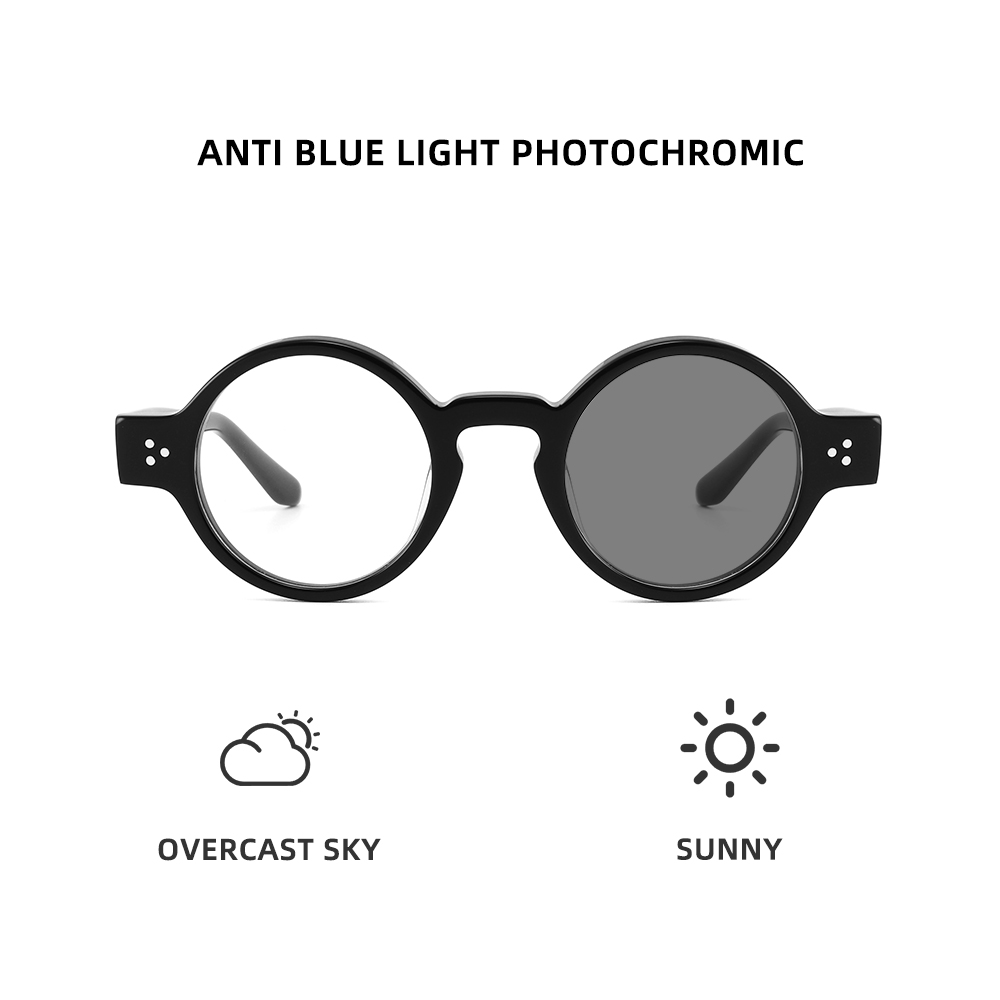
If you're considering a pair of aviator reading glasses, here are the answers to some common questions I wish I'd known before purchasing the Mozaer Photochromic Anti Blue Light Glasses. This model features a classic aviator design, blue light blocking, and photochromic lenses that adjust to light. Let's take a closer look!
Short answer: It depends. Durability is a common concern with eyewear, especially at a lower price point. Generally, you get what you pay for. Very inexpensive glasses may not last long, while pricier models should be more robust.
Look for signs of quality like sturdy hinges, solid frame construction, and scratch-resistant lenses. Be sure to read user reviews for comments on how they withstand daily use, including any reports of accidental damage or wear over time.
Verdict: Before buying, check reviews that specifically mention durability. If they seem poorly made, explore other options. For a wider selection, you can always browse the collection at Mozaer Fashion.
Short answer: Comfort varies by individual. This is crucial for reading glasses, as an uncomfortable pair will end up in a drawer. The aviator style's nose bridge can be a particular fit challenge, so a proper fit is essential.
Key factors include adjustable nose pads (if present), lightweight materials, and choosing the correct size for your face. Scan reviews for comfort-related feedback, looking for terms like "lightweight," "comfortable for extended wear," or "no pinching."
User feedback: You might come across comments like, “the glasses are just what I was looking for and should be comfortable for long periods,” indicating good wearability.
Verdict: Never compromise on comfort! If you can, try on a similar style in person before ordering online. Also, review the product details for information on weight and materials.
Short answer: Potentially. Price is always a major consideration. Whether these glasses are worth the money depends on your budget and needs. While very cheap options are tempting, they often cut corners on quality. Higher-priced glasses should offer better materials and build.
Evaluate what you're getting: features like blue light blocking and photochromic lenses, the style itself, and the perceived quality. Compare the price to similar glasses from other brands and read reviews to see if customers feel they received good value.
Verdict: Compare prices and features before deciding. Don't automatically choose the cheapest option—consider the long-term value instead.